
Maxi-RIBs represent a very particular segment in the nautical world, a crossroads between the speed of rigid hulls and the versatility of traditional inflatables. In recent decades, these vessels have gained fame and popularity, thanks to a revolutionary design and exceptional performance at sea, capable of meeting the needs of both water sports enthusiasts and those seeking a reliable and robust vessel for professional or recreational activities.
These large rigid inflatable boats represent a perfect combination of exceptional performance, operational versatility, and advanced design, establishing themselves as the reference tender for superyachts and protagonists of the most demanding marine adventures.
But what is the history of Maxi-RIBs? What are their most characteristic performance features? And why is their use as tenders experiencing such marked expansion?
Let us explore this further in this in-depth look.
The concept of the RIB (Rigid Inflatable Boat) was born around the 1960s, initially for military and rescue purposes. These vessels combined a rigid fiberglass or aluminum hull with inflatable tubes, which guaranteed buoyancy and stability even in difficult sea conditions. This combination proved revolutionary, as it allowed for a blend of lightness, impact resistance, and ease of transport.
In the following years, RIB technology developed in the civilian and sporting fields. Toward the end of the 1990s and the beginning of the new millennium, the trend of building increasingly larger, more powerful, and better-equipped RIBs spread, thus giving rise to the so-called “Maxi-RIBs” of which Scanner Marine is a forerunner. These are typically defined as rigid inflatable boats exceeding 10 meters in length, equipped with high-powered engines and offering comfort comparable to traditional pleasure craft.
This evolution marked a new era for RIBs, giving them a much broader role than that of a simple fast and safe support vessel. Maxi-RIBs have thus carved out an important space in numerous sectors, from leisure to professional services, becoming essential elements even for superyachts, where they are used as tenders and support vessels.
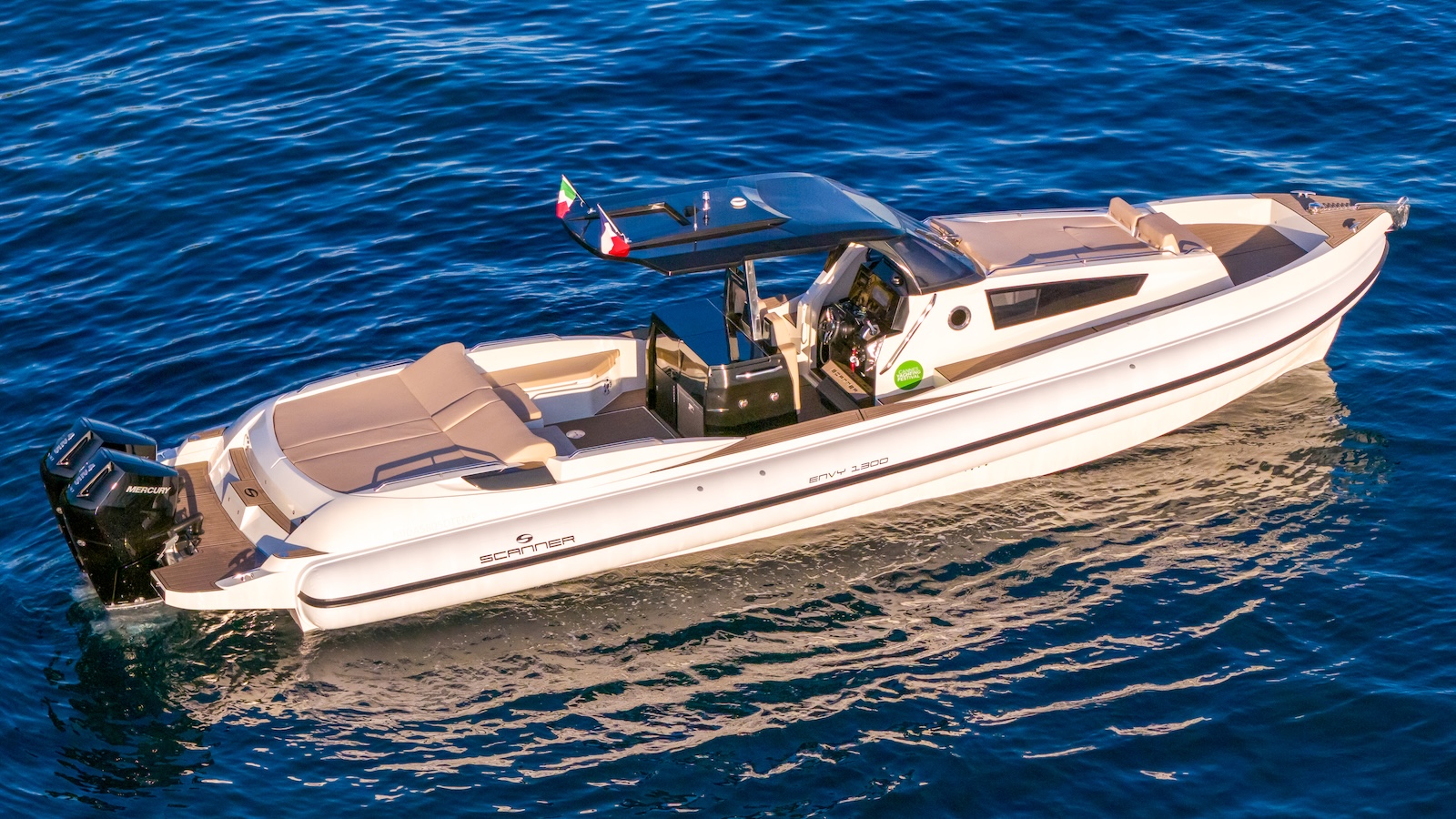
Maxi-RIBs are distinguished above all by their exceptional marine capabilities, combining high performance with safety. Thanks to a rigid hull designed specifically for fast planing, these boats can reach speeds that easily exceed 50 knots (approximately 90 km/h), with rapid acceleration and maneuverability far superior to that of traditional fiberglass boats.
Stability is one of the key aspects: the inflatable tubes provide the boat with excellent balance and the ability to absorb waves, making the passage over water pleasant even in rough seas. The materials used are high-tech; the tubes are made of composite fabrics resistant to UV rays, chemicals, and abrasion, while the hulls employ high-density fiberglass or even advanced composite materials like carbon to reduce weight and improve structural solidity.
In terms of propulsion, a Maxi-RIB can be fitted with powerful outboard or inboard engines, often paired with electronic control systems to optimize performance and fuel consumption. Total power can reach over 1,800 horsepower distributed across multiple engines, allowing for both sporty use with high top speeds and more regular use for rapid transfers and onboard comfort.
One of the most interesting and contemporary developments is the use of Maxi-RIBs as tenders for superyachts, a choice that has become increasingly popular in the luxury yachting world in recent years. Tenders are support vessels intended for transporting guests, crew, and supplies between the shore and the mother ship, or for short excursions in areas where the main vessel cannot moor.
While in the past tenders were smaller or more traditional boats, today Maxi-RIBs are gaining a prominent position for several reasons:
Performance and speed: Maxi-RIBs enable rapid transfers between the coast and the superyacht even in difficult conditions, ensuring safety and reduced navigation times.
Maneuverability: Given their structure, they are extremely agile and adapt well to the confined spaces of ports, offering ease during boarding and disembarking operations.
Versatility: They can be configured to transport people or equipment, or customized as work, rescue, or recreational vessels (diving, sport fishing, excursions).
Comfort and luxury: Contemporary design allows for the integration of ergonomic seating, covers, advanced navigation systems, high-quality audio, and amenities to ensure an excellent onboard experience even for demanding guests.
Aesthetics and design: Thanks to modern styling and cutting-edge materials, Maxi-RIBs are often designed to harmonize with the refined aesthetics of the superyacht they belong to, becoming an extension of the owner’s image and lifestyle.
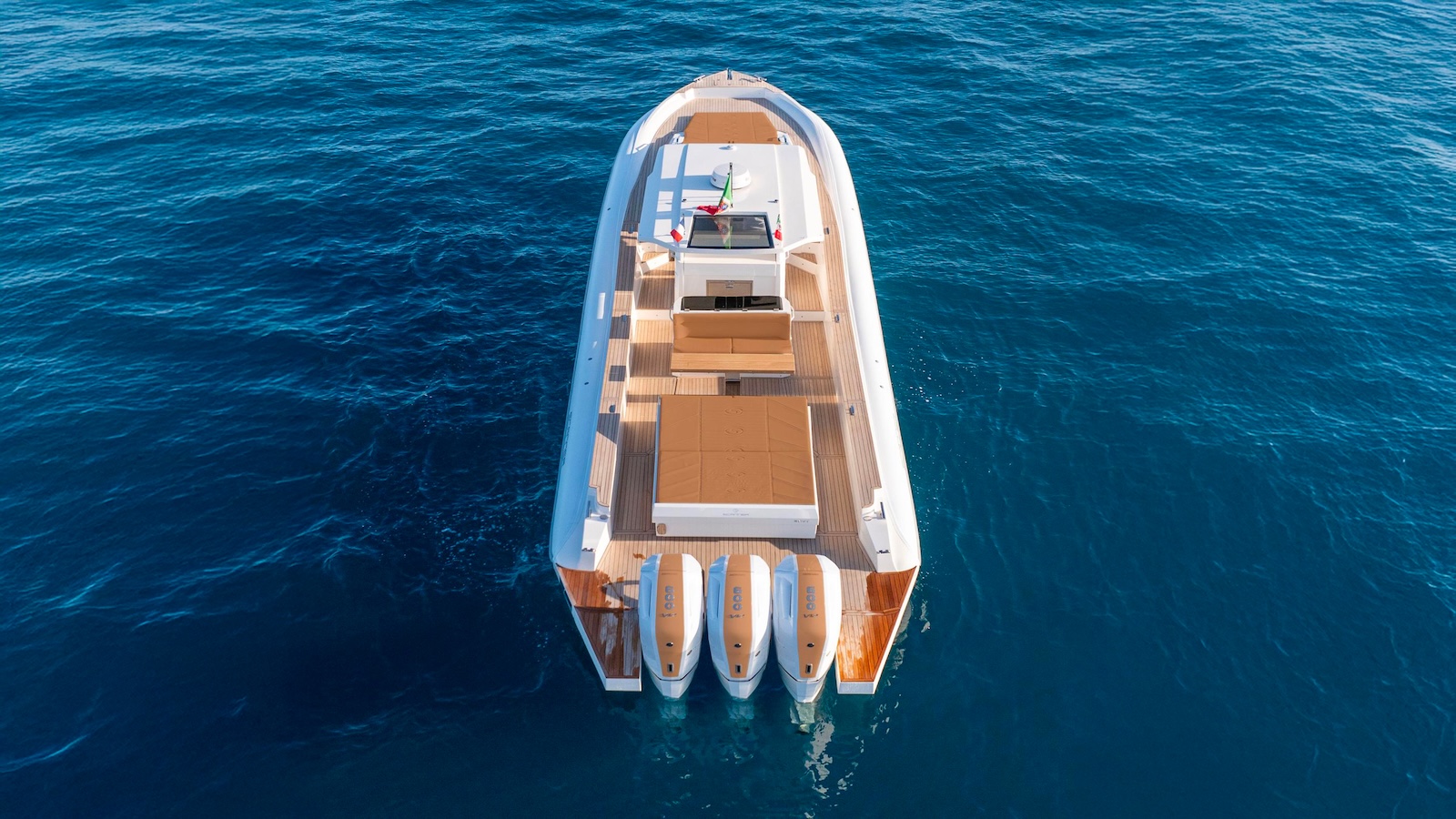
Leading companies in Maxi-RIB production work constantly to integrate technological innovations such as gyroscopic stabilization systems, hybrid or electric propulsion, eco-sustainable materials, and bespoke modular designs. Many luxury shipyards collaborate with famous designers to create exclusive lines that reflect the identity of the superyachts.
The market is seeing an increase in demand for Maxi-RIBs equipped with advanced communication systems, active and passive safety features, and internal configurations that include space for transporting jet skis or small amphibious vehicles.
The Maxi-RIB market continues to develop and innovate, with specialized shipyards introducing increasingly light and resistant composite materials, hybrid or electric engines, and design solutions at the cutting edge of technology. Demand from professional operators, such as the coast guard and the tourism sector, sits alongside private users seeking high-performance boats without sacrificing comfort.
Today, Maxi-RIBs represent a perfect synthesis of technology, design, and functionality, carrying forward a tradition that began over fifty years ago and is already projected toward the future of yachting. Those who choose a Maxi-RIB invest in a vessel capable of meeting numerous navigation needs, from speed to reliability, without compromising on style and safety.
Maxi-RIBs represent a striking example of how a technology born for essentially military and rescue purposes has been transformed, evolving into prestigious vessels capable of dominating new segments of the nautical market. Their performance, characterized by high speed, great stability, and reliability, combined with comfort and design, makes them perfect both as leisure craft and as superyacht tenders—a vessel increasingly requested by owners who demand performance and style simultaneously.
Ultimately, Maxi-RIBs perfectly embody the synthesis of technical innovation and nautical luxury, representing not only a functional and reliable response to transport and support needs in the marine environment but also a symbol of culture and style for high-level yachting enthusiasts. The future of these large-scale rigid inflatable boats seems far from written, with new technological and sustainability frontiers ready to push them toward ever more ambitious goals.
